Urban nature meets new technology in green infrastructure experiments
Nature and greenery are an essential part of Helsinki’s appeal, and their importance will continue to grow as the climate changes. Technologies and innovations that strengthen green infrastructure have been tested in real urban environments, from densely built neighbourhoods to urban forests. The experiments have supported companies in developing their solutions and brought together expertise from several operating units of the City.
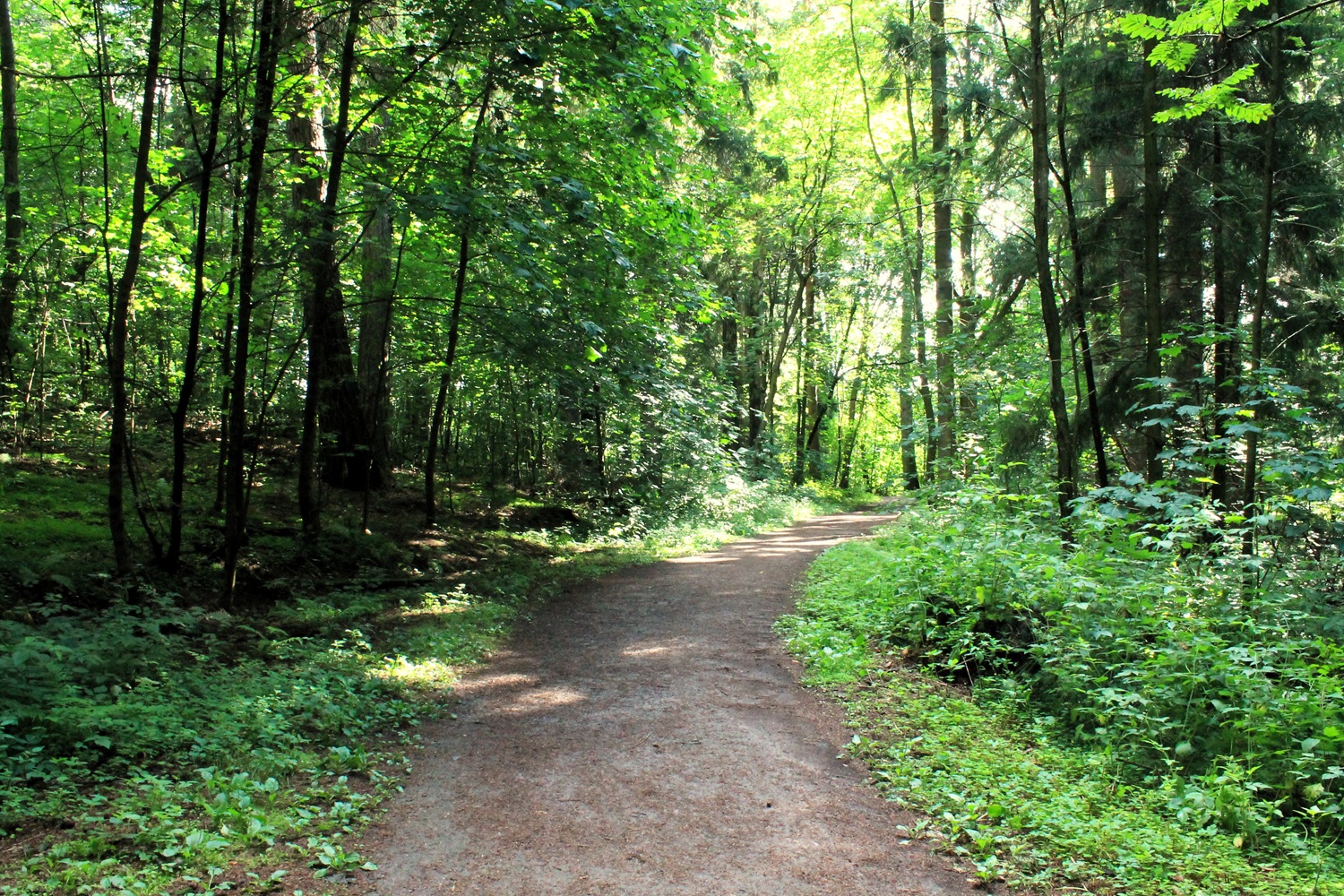
Nature plays an important role in making Helsinki a pleasant, sustainable and functional city. As we adapt to a changing climate, green infrastructure is becoming increasingly important for protecting biodiversity and supporting residents’ wellbeing. Through Testbed Helsinki activities, new technologies have been tested to support the management and wellbeing of urban forests and to introduce new types of green spaces into the urban environment.
What is green infrastructure?
Green infrastructure is a strategically planned network of natural areas and other green environments that provides benefits for both nature and people. It includes forests, parks, meadows, green roofs, urban trees and various types of green structures.
Green infrastructure supports biodiversity, helps manage stormwater, cools the urban environment and provides spaces for recreation.
Supporting urban forests through innovative technologies and broad collaboration
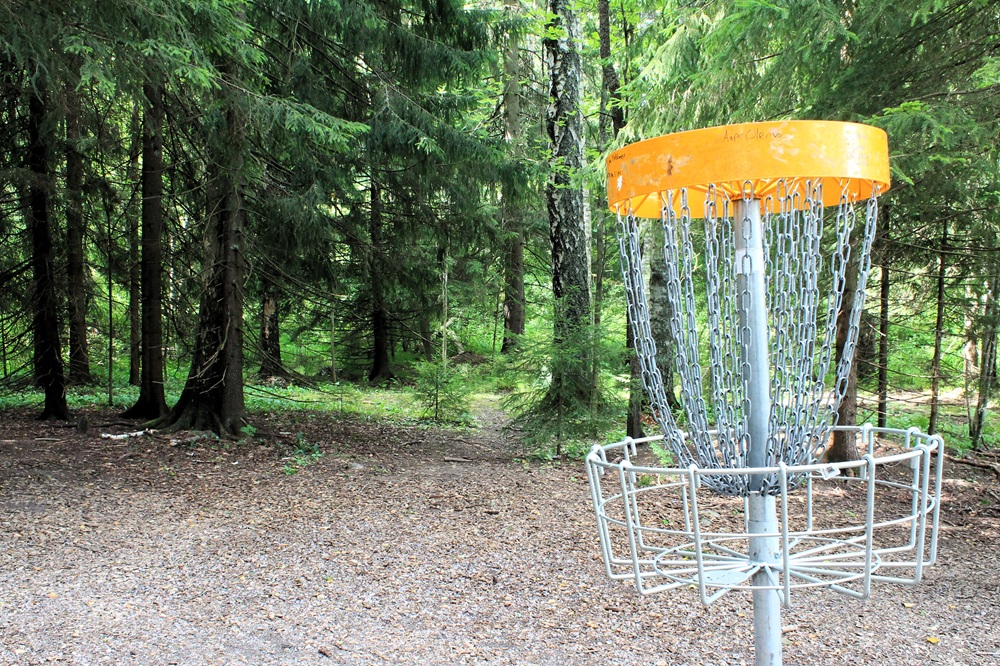
We explored in a recent pilot whether a solution developed by Optiwood Technology Ltd for forest management and timber sales could also be applied to managing urban forests. The company’s core innovation uses remote sensing to predict wood quality at the level of individual trees, providing versatile information about forests.
If this technology can be applied to urban forest management and assessing the condition of trees, it could help reduce the need for field visits and enable management measures to be targeted more effectively. Accurate and reliable nature data also provides valuable support for decision-making.
We tested Optiwood solution for monitoring the condition of urban forests, assessing forest management needs, identifying tree species and supporting 6G network planning, including the identification of potential signal blocking.
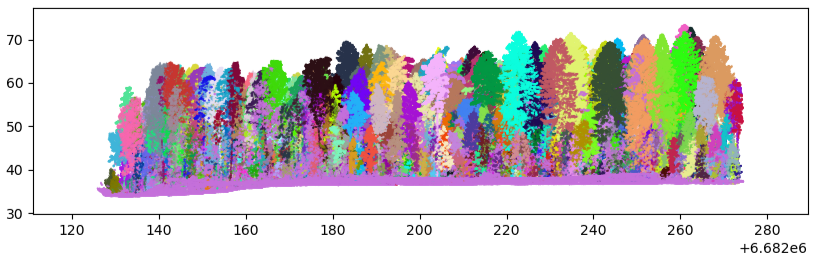
– The forests we studied were diverse in terms of species and structure, so the bar was set high. However, the City of Helsinki’s laser scanning data is exceptionally comprehensive and high-quality, and our methods have been scientifically validated, so we had a strong starting point. The experiment produced results close to research-level accuracy. This provided important validation that our methods can also work in challenging conditions, says Jiri Pyörälä from Optiwood Technology Oy.
– We also identified important areas where we need to develop our solution further. One of the best aspects of the experiment was the dialogue with the City’s remote sensing and forest management experts. The inspiring and insightful collaboration gave us plenty of new ideas for developing our services. It was great to work with a pioneering city like Helsinki!
The experiment generated broad interest within the City’s Urban Environment Division and brought together experts in geospatial data, innovation, artificial intelligence, urban space and landscape planning, as well as professionals responsible for maintaining parks and green areas. Planners working with Helsinki’s green area factor tool also explored the potential applications of the solution in the City’s climate work.
– We examined Optiwood method from the perspectives of urban forest management, nature and further digital twin development. The species identification results were excellent and encouraging, and we identified further development opportunities particularly in detecting undergrowth and deadwood, says Niko Latvakoski from the City’s Urban Environment Division.
Green infrastructure experiments across Helsinki
Business Helsinki has also invested in developing green infrastructure by supporting and co-funding experiments carried out through the three-year PilotGreen project. The project tested new solutions together with companies, cities and residents with the aim of making urban environments greener and more attractive. The project was coordinated by Forum Virium Helsinki, with Metropolia University of Applied Sciences and LAB University of Applied Sciences as partners in the project which received funding from the European Regional Development Fund.

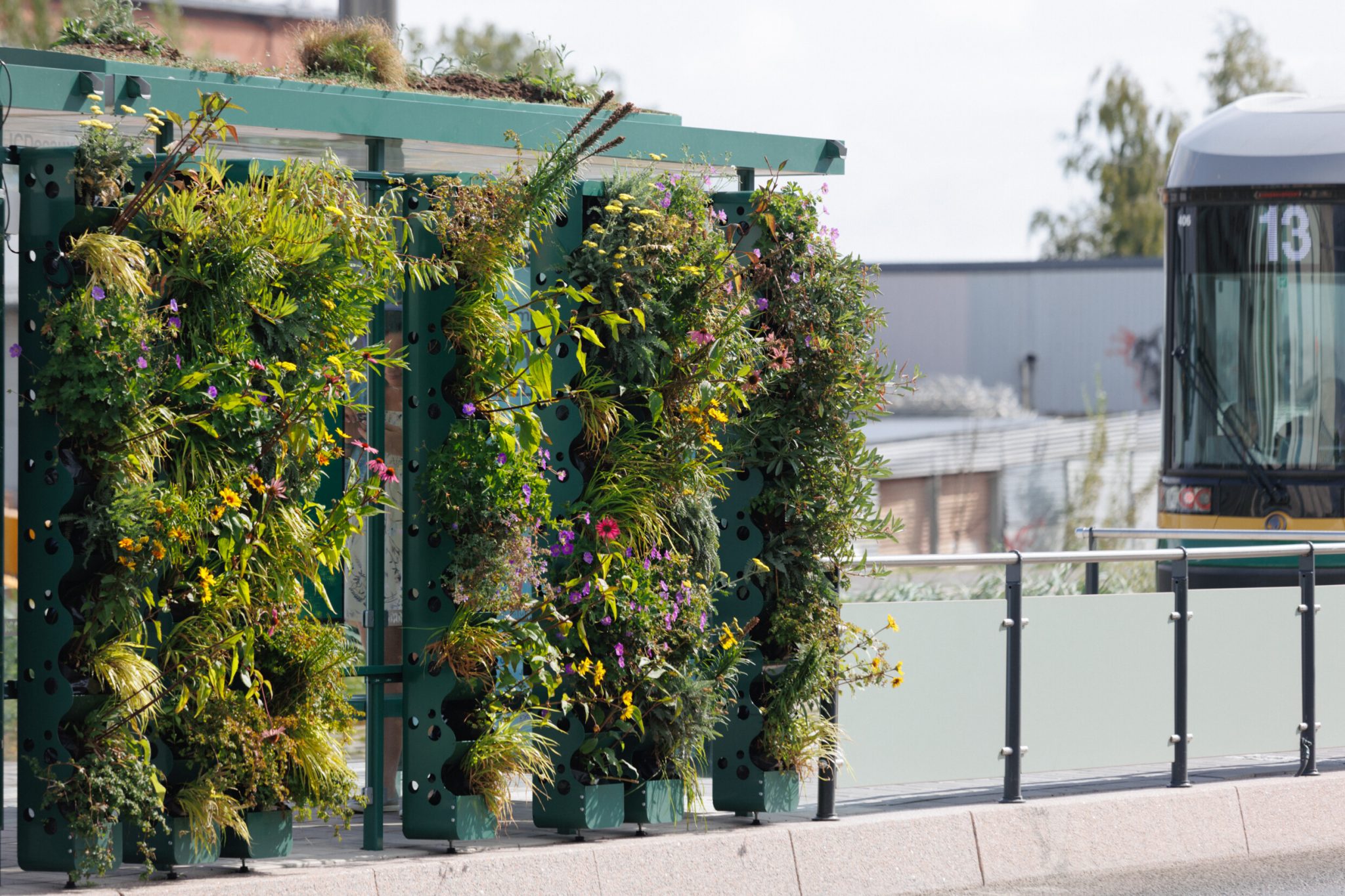
The experiments provided the City with new knowledge and expertise on how green infrastructure can support urban nature while enhancing the attractiveness and liveability of neighbourhoods.
Examples of PilotGreen experiments
A green wall structure at Herttoniemi metro station
A circular-economy bus stop made of glulam and featuring a green roof
The green Ilmalankeidas urban oasis
A pollinator roof at the entrance to Herttoniemi metro station
Satellite data in green areas management
eDNA monitoring on Kallio Summer Street
Green structures in school and early childhood education yards
The importance of green infrastructure will continue to grow
As the climate changes, the importance of green areas will increase further. At the same time, cities need better information to balance biodiversity, an attractive urban environment and the practical requirements of urban planning and maintenance.
– These experiments demonstrate the many ways in which green infrastructure can be developed. At the same time, they help us identify where new technologies can provide added value and what still needs to be addressed before they can be adopted more widely. The activities implement Helsinki’s innovation and economic development policy while supporting the City’s strategic climate and environmental objectives, says Mikko Martikka, who works on sustainable urban environment themes at Business Helsinki.
